Content status
| Last checked | 2026-07-07 |
|---|---|
| Confidence | Moderate comparison framework; low for final kit ranking |
| Source type | Public character signals and editorial role comparison |
| After launch | Yes: add confirmed abilities, solo queue value, squad value, weapon pairing, and counters. |
Arena briefing
A cautious character comparison for players tracking public names and deciding whether to start with mobility, utility, control, or burst identity. Use this briefing to decide whether the next match question is movement, squad composition, weapon range, or a safe reset. The current read is moderate comparison framework; low for final kit ranking and should be re-briefed after an official beta, Awakener reveal, or live balance update.
Open the Steam Store reference before treating a community clip as final kit data.
Fally, Tata and Bibi are useful search anchors because players remember names faster than systems. The danger is that pre-launch character pages can drift into fake certainty. This comparison uses a safer method: read public footage for role signals, then explain what kind of player should watch each character.
A mobility-leaning character is usually the best first pick for players who die while crossing bridges, rotating late, or getting trapped after a greedy loot stop. Mobility creates extra mistakes to learn from, which is valuable in a vertical arena.
A utility or companion-style identity is more useful for squads that already trade shots but struggle to stabilize after contact. In a trio or coordinated group, the best character may be the one who creates revive time, route information, or temporary safety rather than the one with the flashiest damage clip.
A burst or duel-focused identity is most attractive to confident aimers, but it asks more from teammates. If the squad does not follow the entry, a highlight kit becomes an isolated dive. New players should test burst only after they understand exits and mid-range weapon discipline.
The right comparison question is not who is strongest. It is which role solves the player's repeated failure. A player who dies during rotation should watch mobility. A player who loses after first contact should watch control, utility, or reset tools. A player who wins damage trades but fails to finish should watch burst only with a clear route plan.
Solo queue and premade teams may choose differently. Solo queue rewards self-sufficient value and simple communication. Premade teams can support a more specialized character because the rest of the squad can cover the weakness. A character that feels average alone may be excellent when paired with information or control.
Weapon range also changes the comparison. A mobility identity can support close-pressure weapons if the exit is safe. A utility identity may prefer flexible mid-range tools that let it protect teammates. A burst identity may need a weapon that finishes fast without leaving the player stranded after the opener.
Editorial ranking rule: this page should not become a tier list until launch data, official ability pages, and repeatable match evidence exist. Until then, the honest value is scenario selection: which character looks worth learning for solo queue, which for coordinated teams, and which for map control.
After official character kits are published, this comparison should become a matrix with confirmed ability names, best squad job, beginner difficulty, solo queue value, weapon pairing, counterplay, and patch confidence. If the kits change, the article should preserve older notes only as dated history.
| Guide angle | Practical recommendation | Why it matters |
|---|---|---|
| Primary decision | Compare visible jobs instead of inventing final cooldown numbers. | This is the first action readers should test in real matches. |
| Risk check | Pick the character whose role fixes your most common failure pattern. | This prevents the page from becoming generic advice detached from the game's pressure. |
| Update trigger | Update this page when official kit pages confirm ability names and values. | Refresh this recommendation after official footage, patch notes, or confirmed launch data. |
Action checklist
- Compare visible jobs instead of inventing final cooldown numbers.
- Pick the character whose role fixes your most common failure pattern.
- Update this page when official kit pages confirm ability names and values.
Player decision
This page answers the player decision behind Fally vs Tata and Bibi: what can be planned from official material now, and what must wait for a public beta, kit page, or patch note.
Related database entries
Video evidence to review
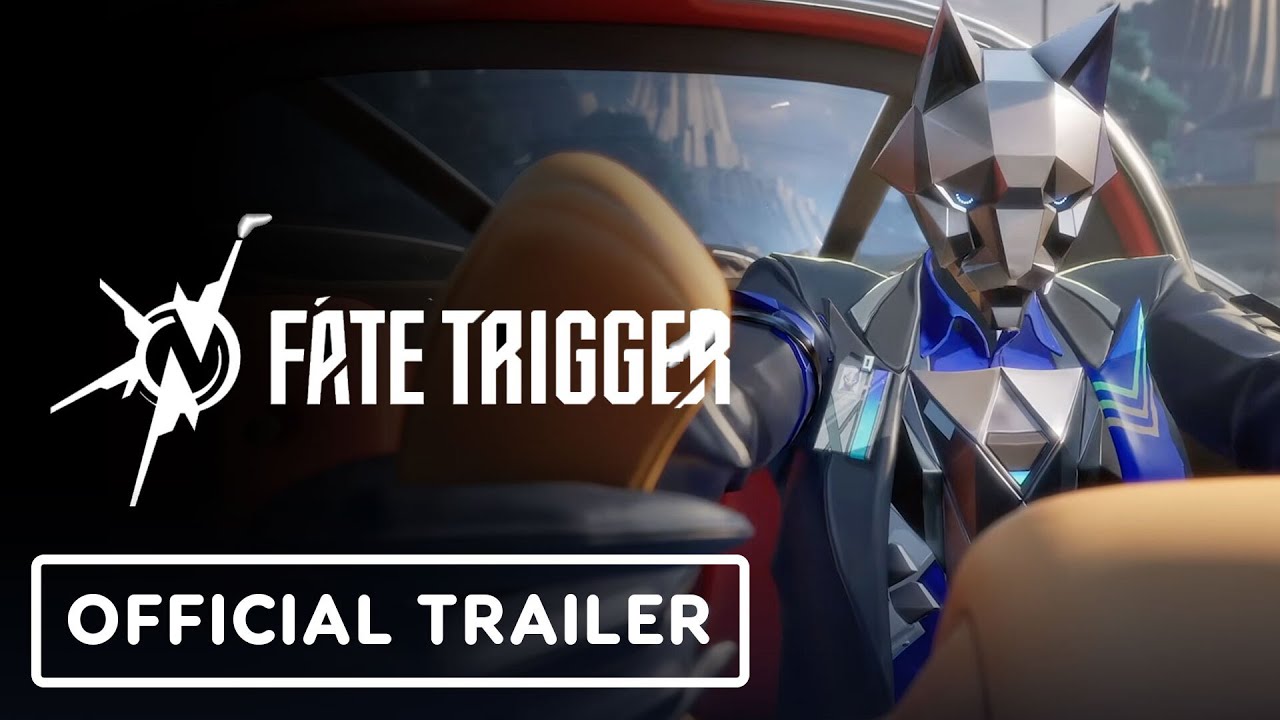
Start with Official Trailer in the media hub and compare the visible UI, movement, combat pacing, and release-date cards against this guide. The embed is credited and loaded from YouTube.
Update checklist
- Replace cautious pre-launch language when an official patch note, class page, weapon page, or map page confirms the detail.
- Add timestamped video references only from embeddable public footage or credited source material.
- Keep rankings editorial and date-stamped so players can tell analysis from official balance information.